
Every hydraulic injection machine runs on a handful of wear parts, and cylinder seals are one of them. Like brake pads on a truck or tyres on a car, they are consumables — over many thousands of clamping cycles they slowly wear, on every brand of machine. So when a customer told us their rotary sole machine's clamping cylinder was gradually losing holding pressure, it wasn't a cause for alarm. It was a routine diagnosis our engineers guide customers through regularly — and we did it with them entirely over photos and video.
Here is the step-by-step process, in case it helps another factory pinpoint the same symptom quickly.
The Symptom: Pressure Builds, Then Slowly Eases Off
After the mould closed, the clamping pressure built up normally on the gauge — then gradually eased back instead of holding steady. The customer sent us a short video of the gauge so we could see exactly how the pressure behaved.
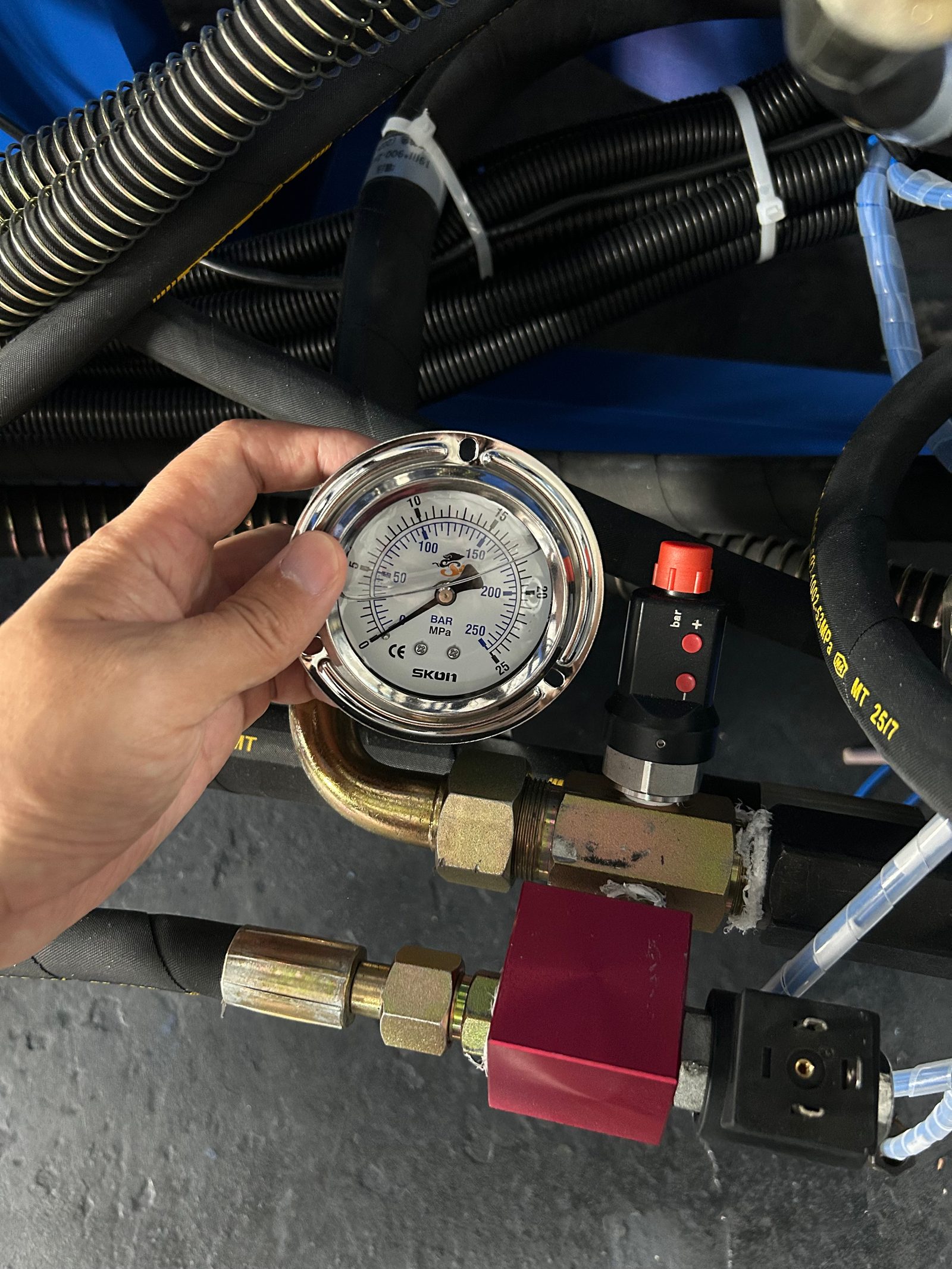
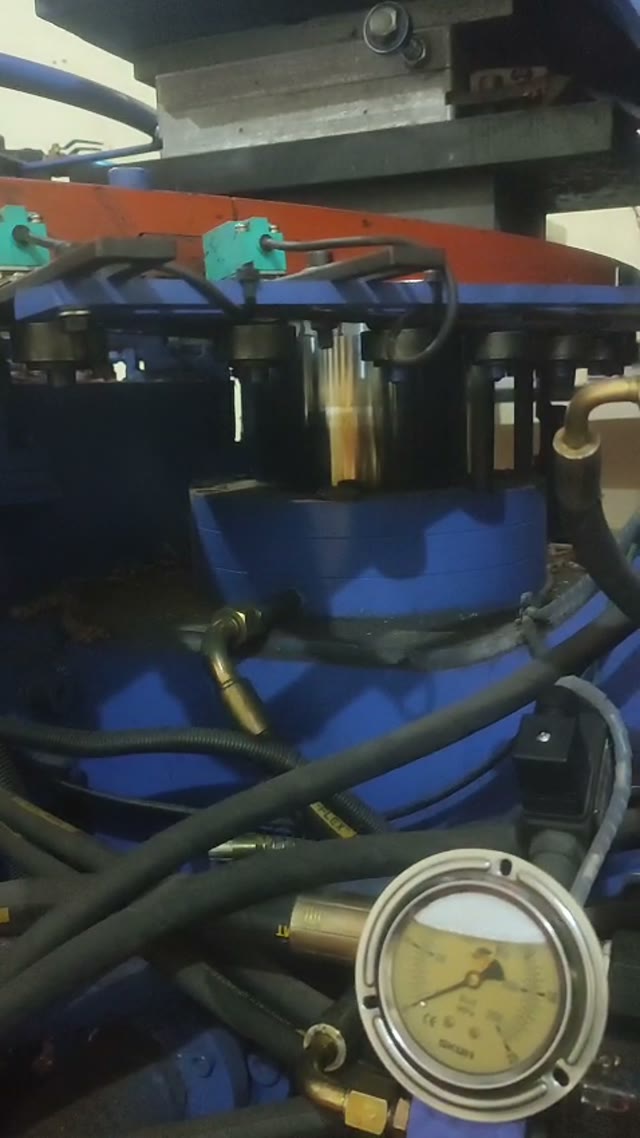
A symptom like "builds pressure, then eases off" tells us oil is moving internally somewhere in the clamping circuit. Nothing is leaking onto the floor — the oil is simply finding a path back inside. The job, then, is straightforward: check each component that could pass oil, one at a time, starting with the quickest.
Step-by-Step Diagnosis — Easiest Checks First
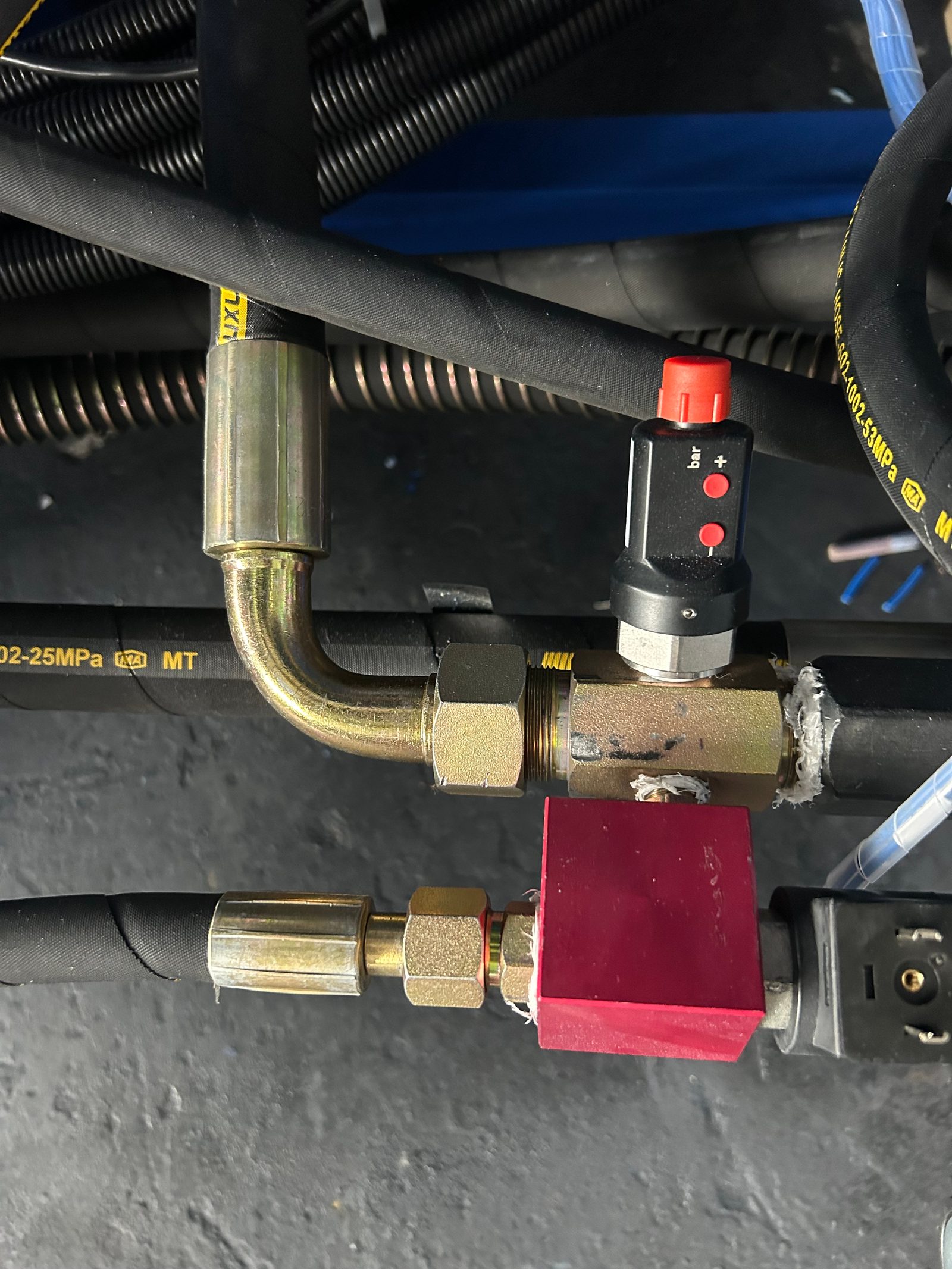
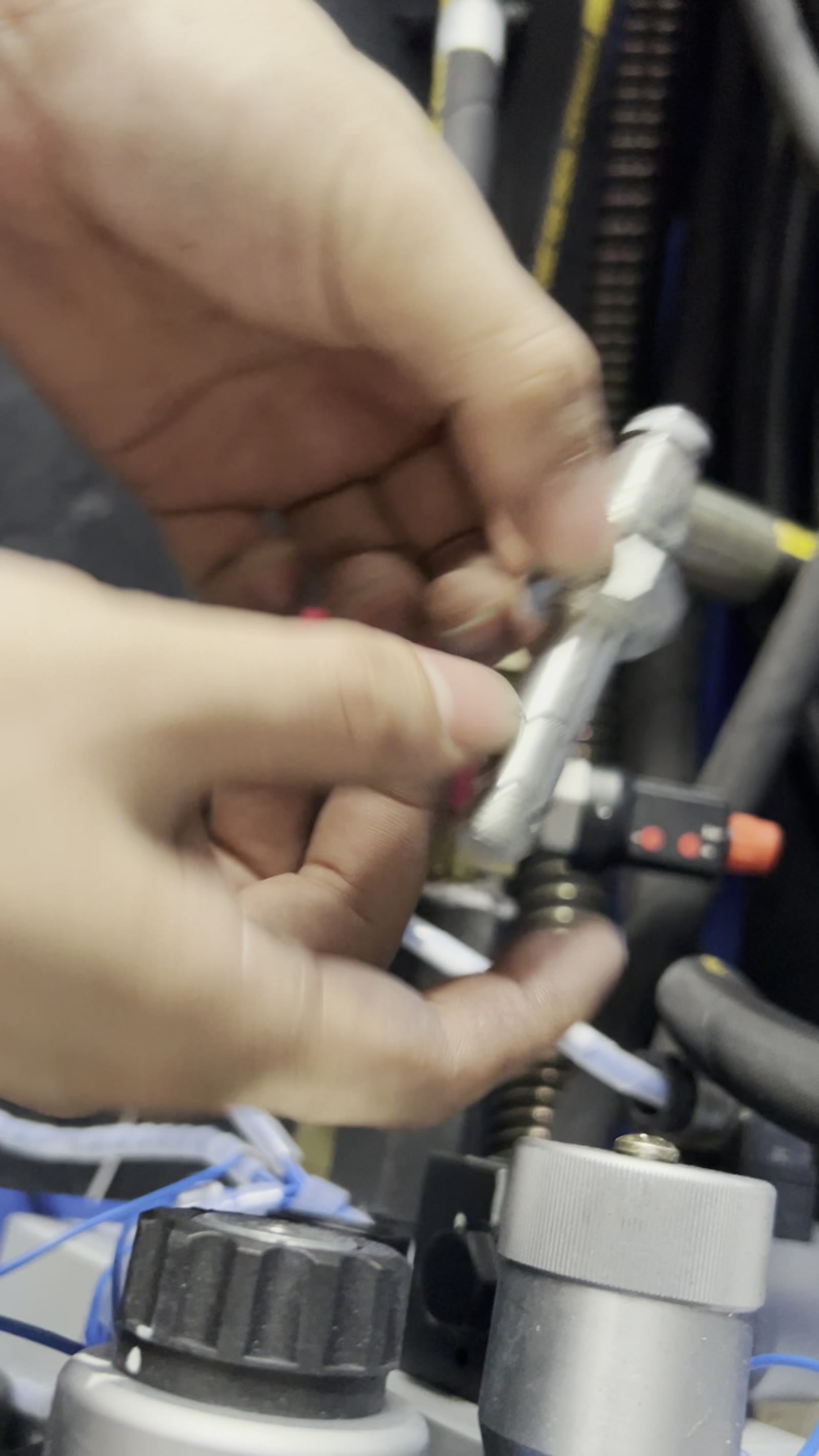
First check: the decompression valve (red block)
Our first stop is always the decompression valve — the red block on the manifold. If its cartridge seat picks up a little dirt or wear, it can pass oil internally. It's fast to inspect, so it's the natural place to begin.
We guided the customer to remove and inspect the valve cartridge — checking the seat and seals for any dirt or wear.
Second check: the prefill valve
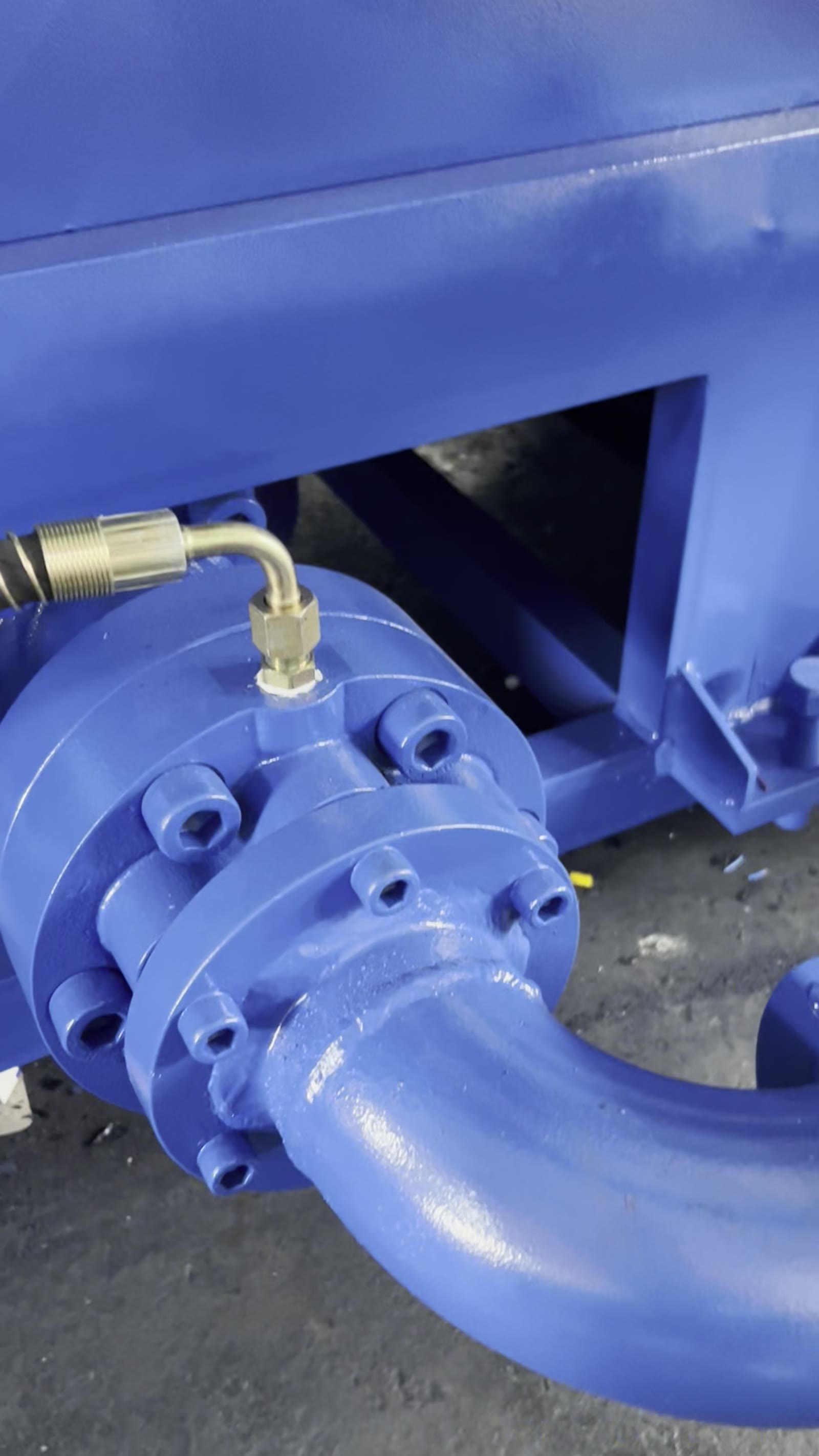
Next is the prefill valve — the blue valve body on the other side of the circuit. Once it is commanded closed, it's another point where oil could pass internally, so it's worth ruling out before going any further.
Both Valves Were Perfect — Which Is Good News
The customer inspected both the decompression valve and the prefill valve. Both were sealing perfectly. That's exactly the result we want at this stage: it cleanly rules out the valves and points us to the one remaining path — the cylinder's piston seal.
Confirming It With a Simple Cylinder Test
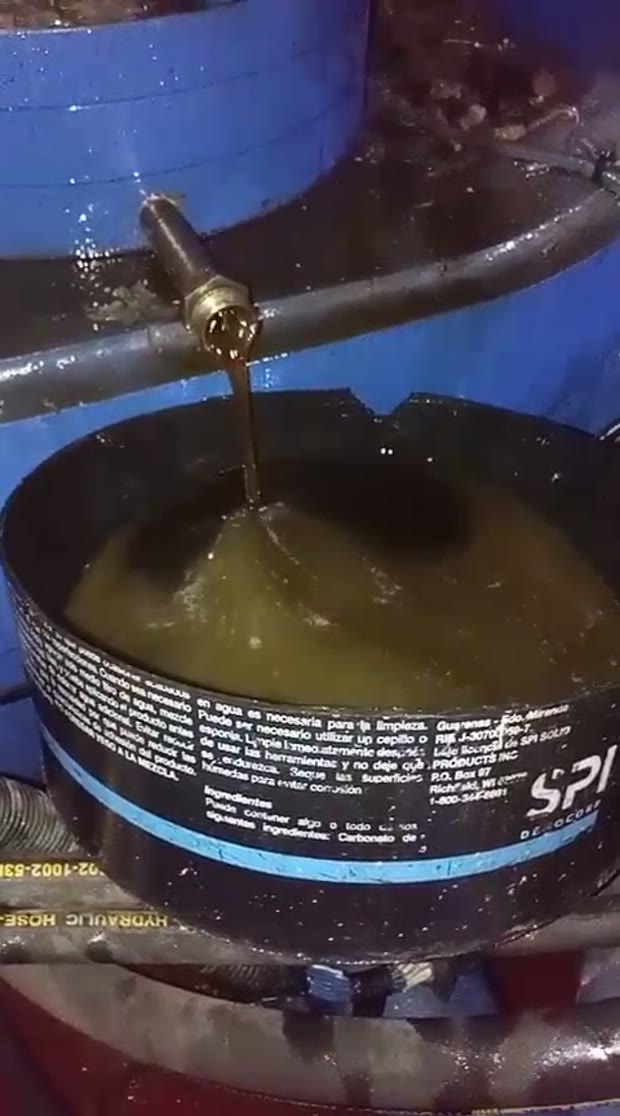
To be sure before changing any parts, the customer ran a simple check on the cylinder itself, which confirmed that the piston seal was the wear point.
The Cause: A Worn Piston Seal — a Normal Wear Part
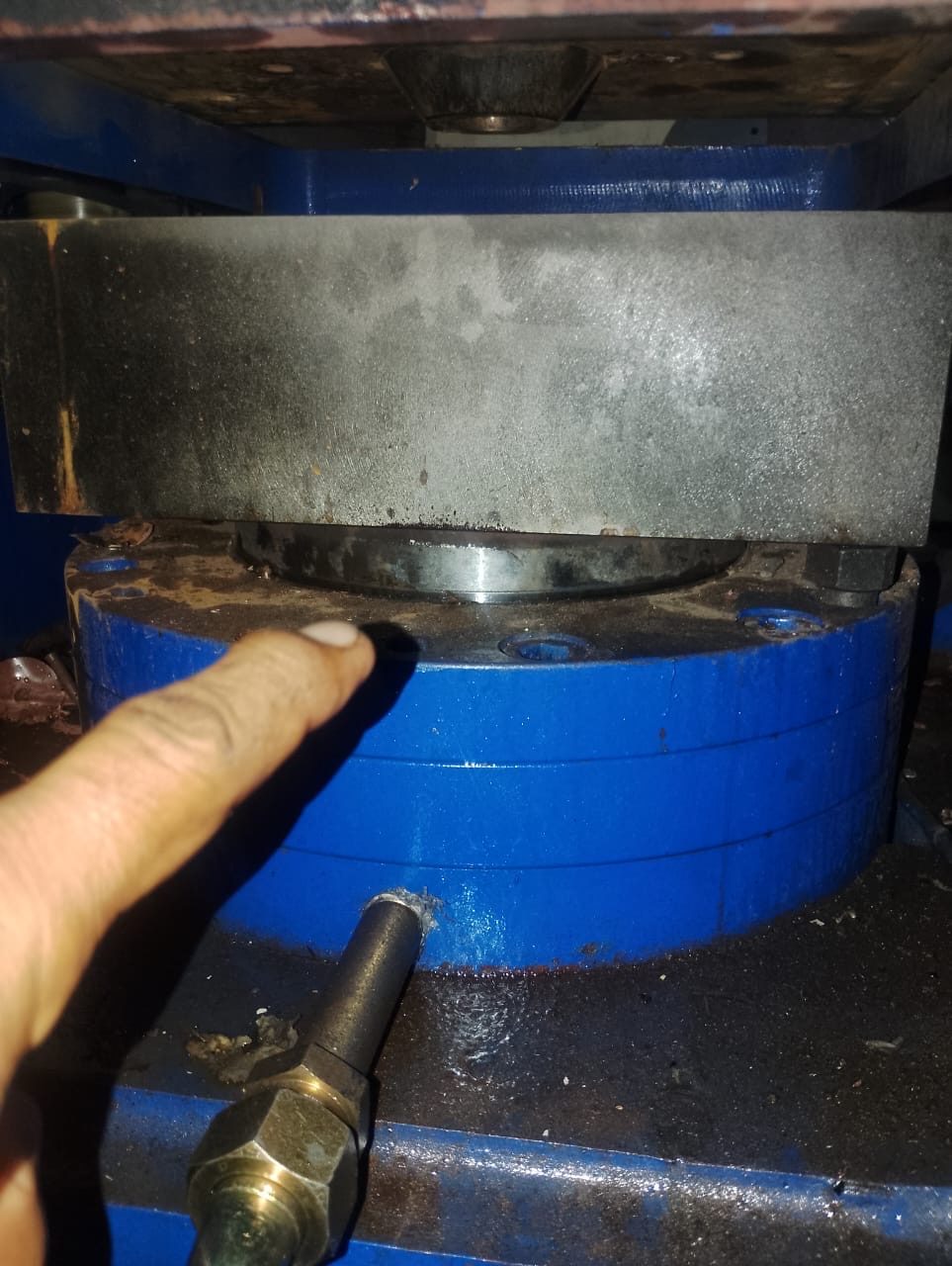
The piston seal inside the main clamping cylinder is a consumable. After long service it gradually wears, and once it does, a little high-pressure oil begins to slip across the piston — so the cylinder can no longer hold its position. This is ordinary hydraulic wear, the same on any make of injection machine, and the remedy is simply to renew the seal.
The Fix: Seal Kit + Hands-On Guidance
Because the customer's team is capable and hands-on, we did what we do best: prepared the correct cylinder seal kit, shipped it out, and our engineers guide their technician through fitting it — over a video call if they'd like. No machine has to leave the production floor, and downtime is kept to just the seal-change itself.
That is really the point of this story. Wear parts are a fact of life on every machine. What keeps your line running is fast, accurate diagnosis and responsive spare-parts support — and that is the service behind every DEYU machine, long after delivery.
Quick Reference: "Builds Pressure but Won't Hold It"
- It's an internal oil path, not an external leak — look inside the circuit.
- Check the easy items first: the decompression valve, then the prefill valve.
- If both valves seal correctly, it's the cylinder piston seal — a normal wear part.
- Keep your hydraulic oil clean and well filtered: clean oil makes seals and valves last far longer.
Want a second opinion on a symptom like this? Send us a short video plus a photo of your pressure gauge and valve block — our engineers will help you diagnose it and get the exact spare parts you need. Contact DEYU · WhatsApp +86 136 1577 8781